
Connecting the Dots: Evaluating the Impact of MoNA Link
Written by Dillyn Adamo, Learning & Engagement Coordinator, and Ellie Cross, Director of Education
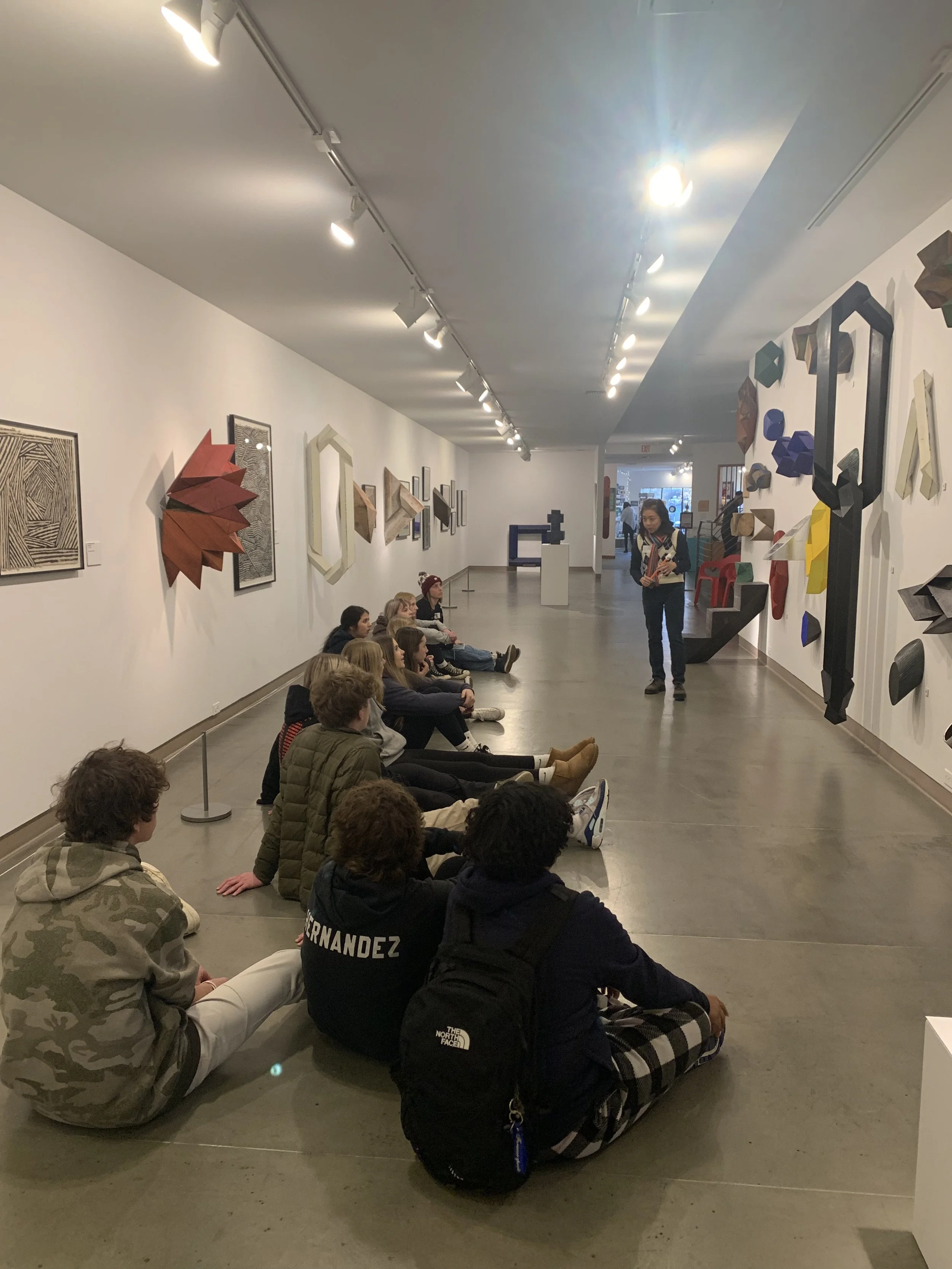
Since 2003, the Museum of Northwest Art has supported local educators through MoNA Link, a year-long professional development program for K-12 teachers aimed at building capacity in art education in public schools. Since its launch, MoNA Link has served more than 200 educators, while 10,000+ students have participated in field trips and class visits provided by the Museum’s Educators and Teaching Artists.
During the 2025-2026 school year, MoNA Education staff embarked on a six-month-long “Project Impact,” a pilot program offered through the M.J. Murdock Charitable Trust and designed by Dialogues in Action with the goal of training non-profit staff on evaluating the impact of mission-driven programs. MoNA was one of the ten Pacific Northwest organizations hand-picked for participation. Given this unique opportunity, the Museum selected MoNA Link as the program whose impact was to be evaluated as well as the avenue for staff to learn and build evaluation skills. Through “Project Impact,” the MoNA Education team, along with Executive Director Stefano Catalani, learned research methods to support in-depth qualitative data collection and analysis with the goal of gaining a deeper understanding of the ways in which MoNA Link has impacted the teachers who have participated in the program.
Through 21 interviews and 25 survey responses, here is what the MoNA Education team discovered:
FINDING #1
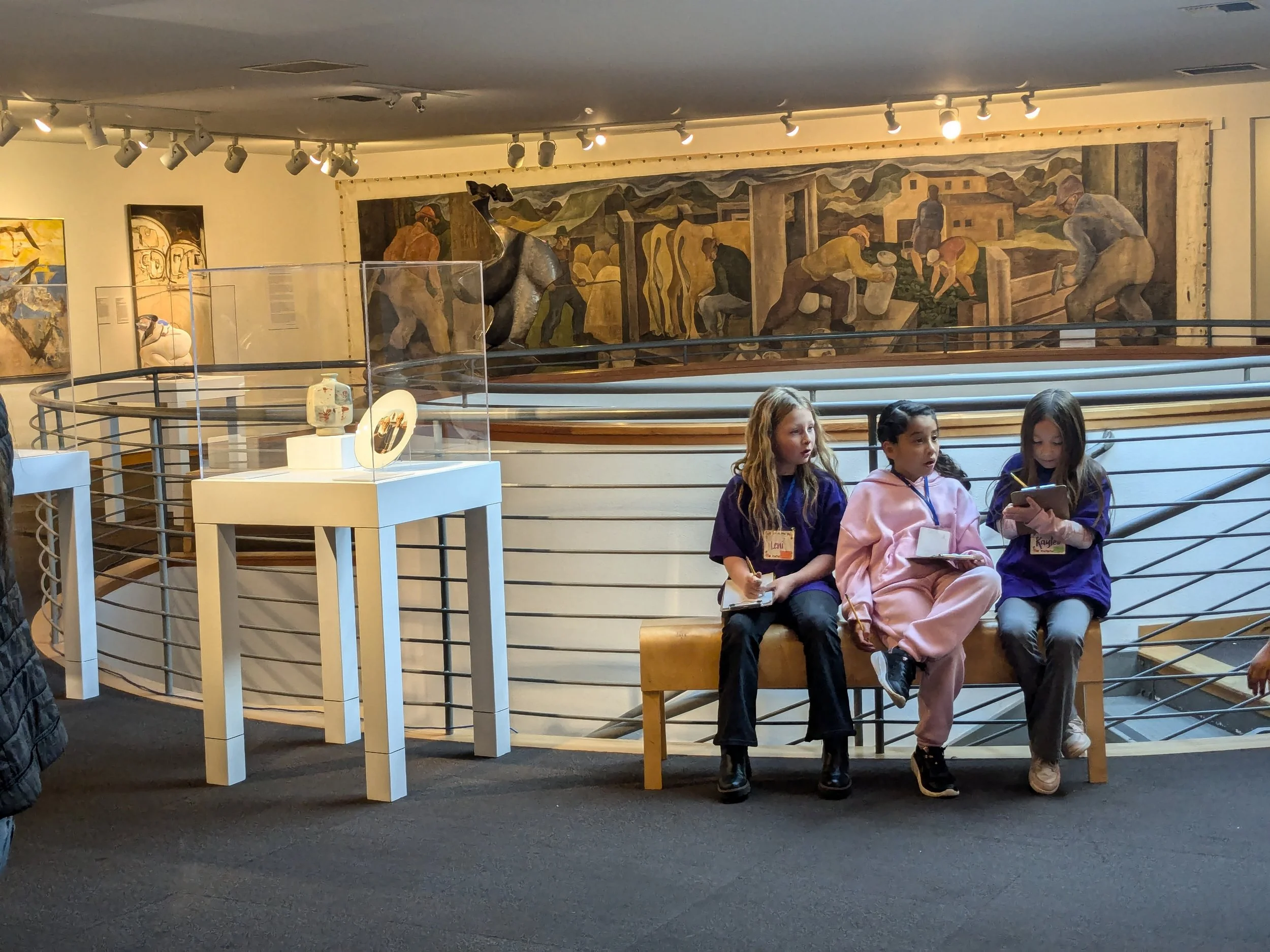
Navigating the Challenges of a School System Structure: MoNA Link is most effective when we work within the school system and maintain a realistic understanding of the challenges that teachers face.
Time, capacity, and pressure from school administrators to focus on tested subjects make integrating art in the curriculum challenging, especially for teachers in the 1st-6th grade band. MoNA Link works best when it addresses those challenges directly, and is able to meet the needs of each teacher’s unique circumstances within their district.
“When you’re actually in the classroom, you understand that even the most high-income schools are still struggling to bring real opportunities for art to the classroom. We don’t have art teachers in our district, so you know, we don’t have that as a resource, somebody to lean on. It has to be us.”
FINDING #2
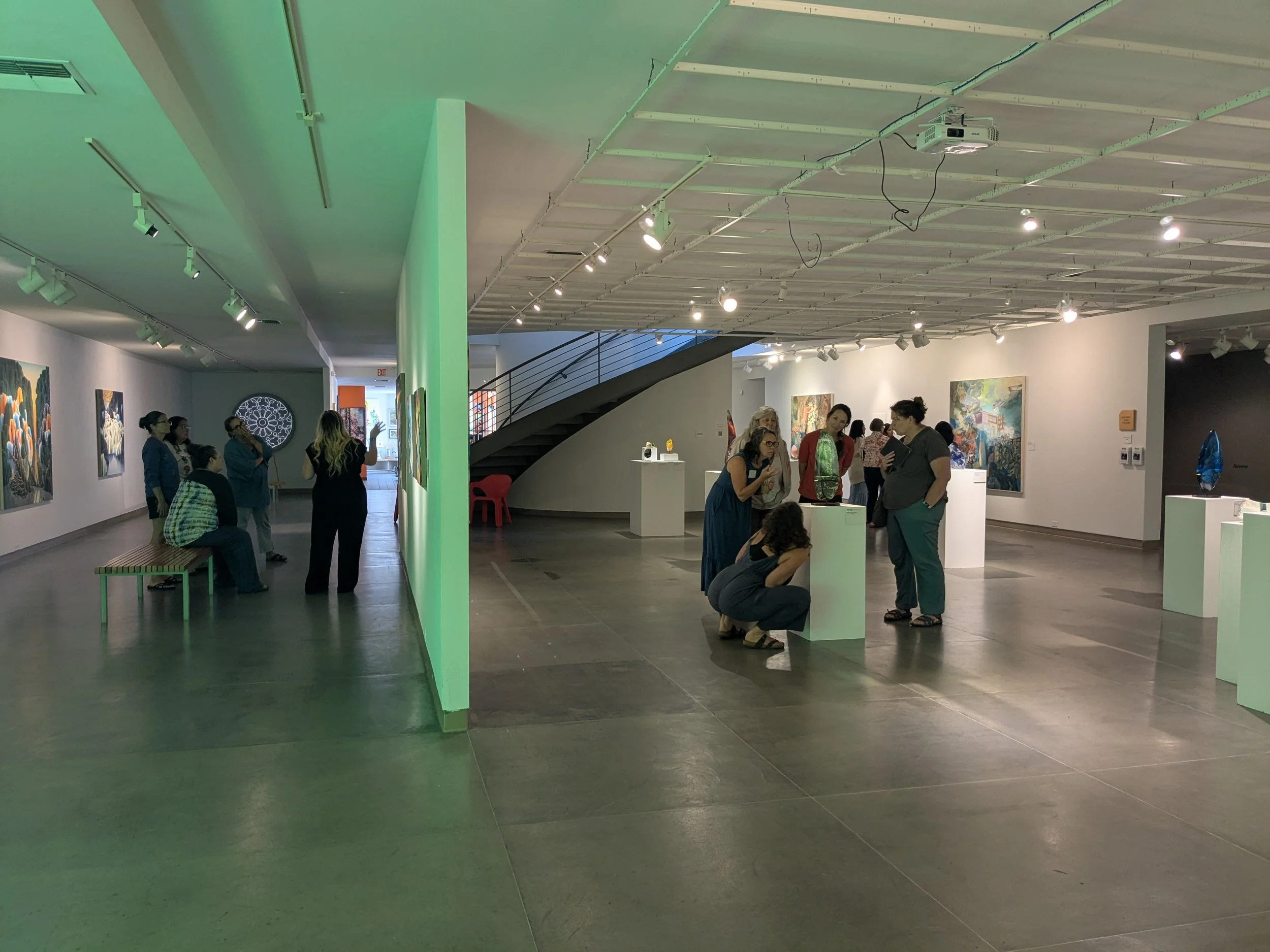
Full STEAM Ahead: An impactful way to address barriers within the school system is weaving art into interdisciplinary subjects, such as moving from STEM to “STEAM.”
Because of the challenges of teaching within our school system, art integration is more easily justifiable to teachers and administrators when it combines or “integrates” with other subjects - especially Science, Technology, Engineering & Maths. When MoNA Link emphasizes these interdisciplinary connections it becomes more accessible to teachers and students benefit by becoming more engaged with these other subjects through the arts.
“When I think of something that I want to help children with in class, whatever kind of writing it is, now, I often make an automatic link to how that can be represented through art, so that the kids are making not just connections with the subject matter, but connections with life. I love that it cements their learning in other areas, if there is the opportunity to extend it to art and to layer an art experience into it.”
FINDING #3
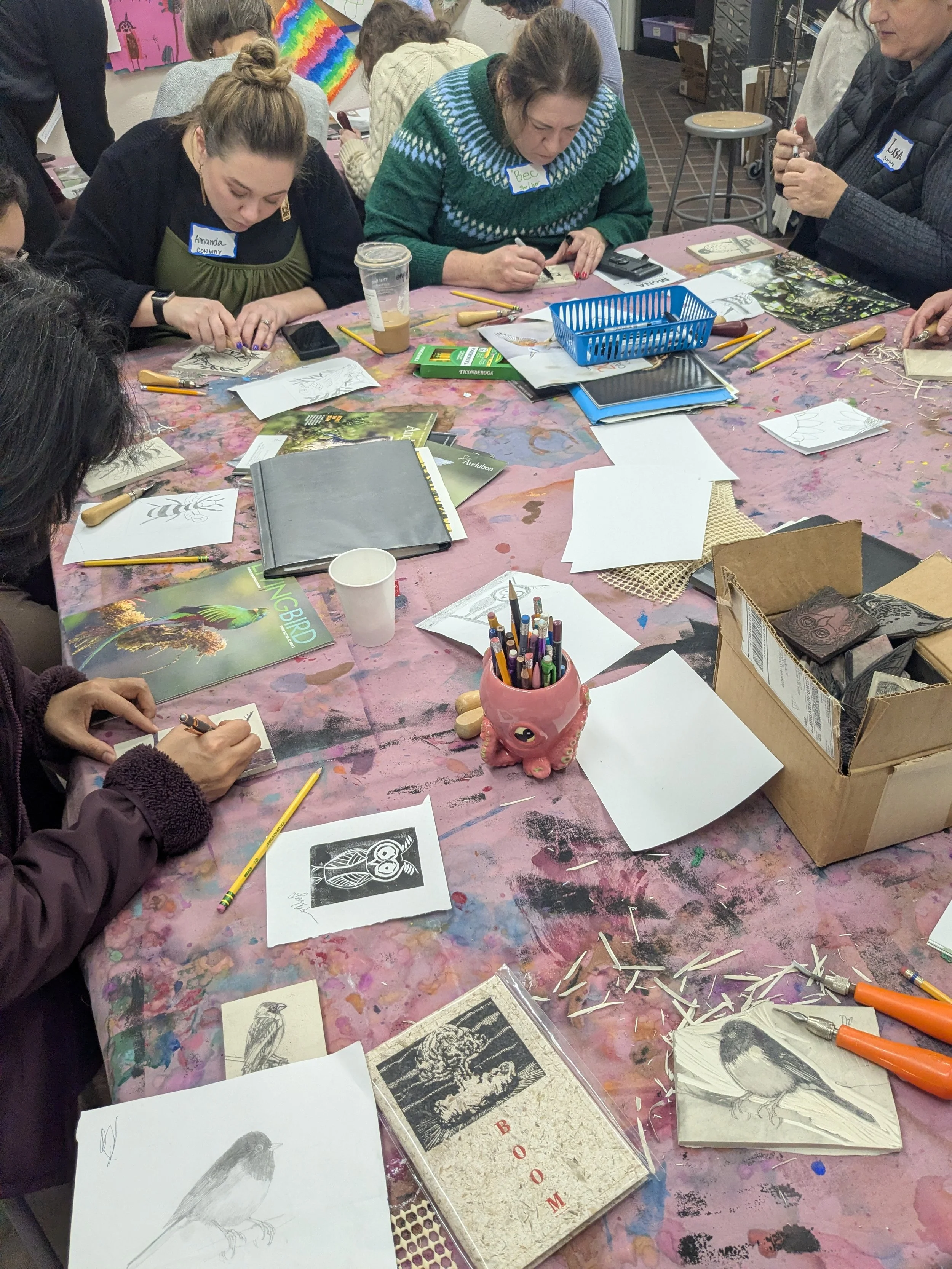
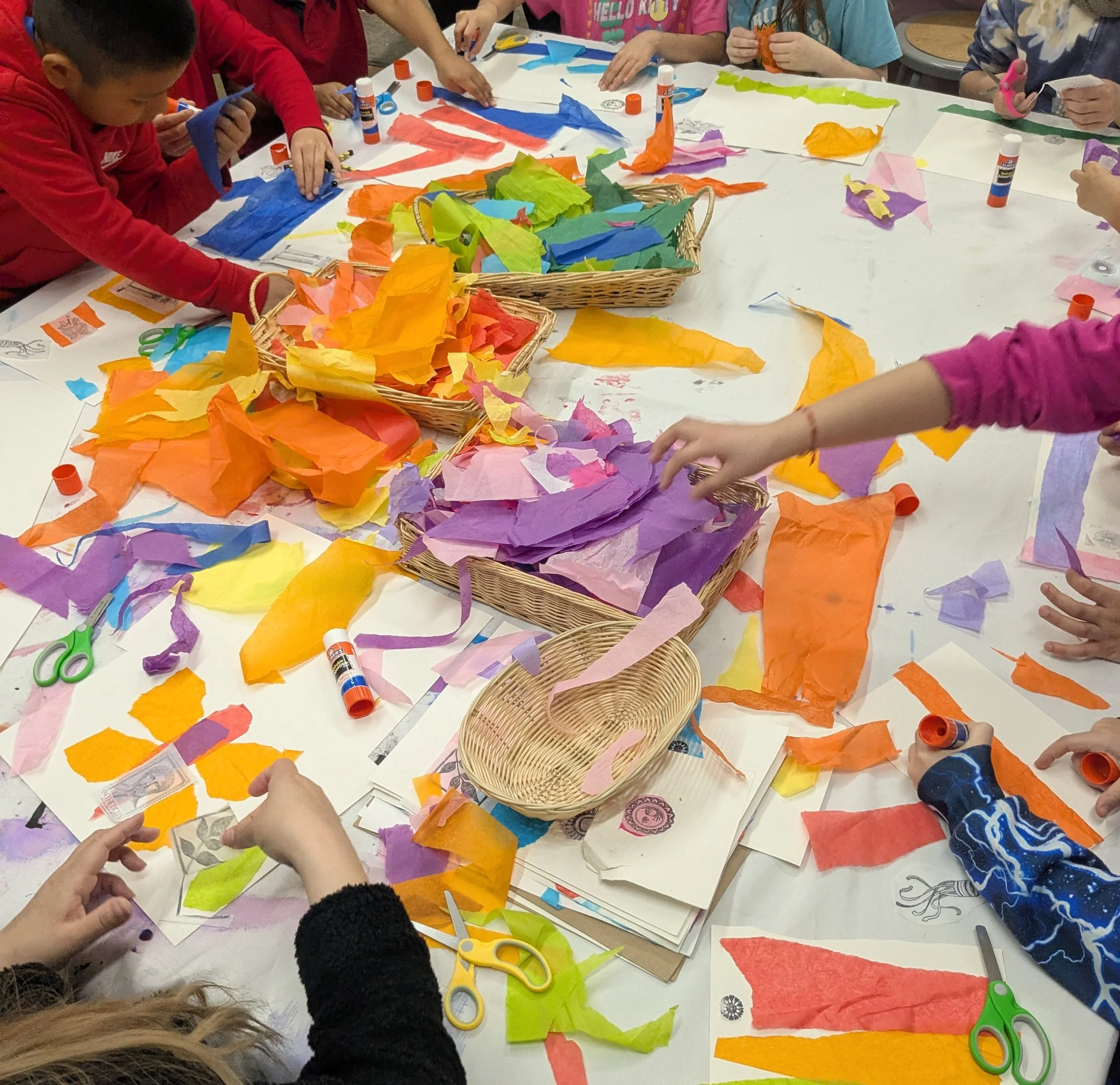
Teacher as Student: The impact of the MoNA Link program starts with the teacher’s professional development through hands-on activities, exposure to a variety of media, and access to Teaching Artists, through which the teachers experience being students of the visual arts.
During MoNA Link training days, teachers are put into the position of students in order to grow their familiarity with artistic practices and new media. As a student, these educators take part in creative risk taking and gain a new perspective on how their students might encounter the arts.
“I wasn’t always comfortable myself creating art. I was more comfortable looking at art or studying art, and so being in the MoNA Link program, I definitely had to step out of my comfort zone, and that helped me be a better teacher, because I knew that it was sometimes a painful experience, and then that way I could commiserate and empathize with my students more.”
FINDING #4
Embracing the Beautiful Oops: An emphasis on process over product fosters a growth mindset, turns mistakes and failures into opportunities, and encourages artistic risk-taking over perfection.
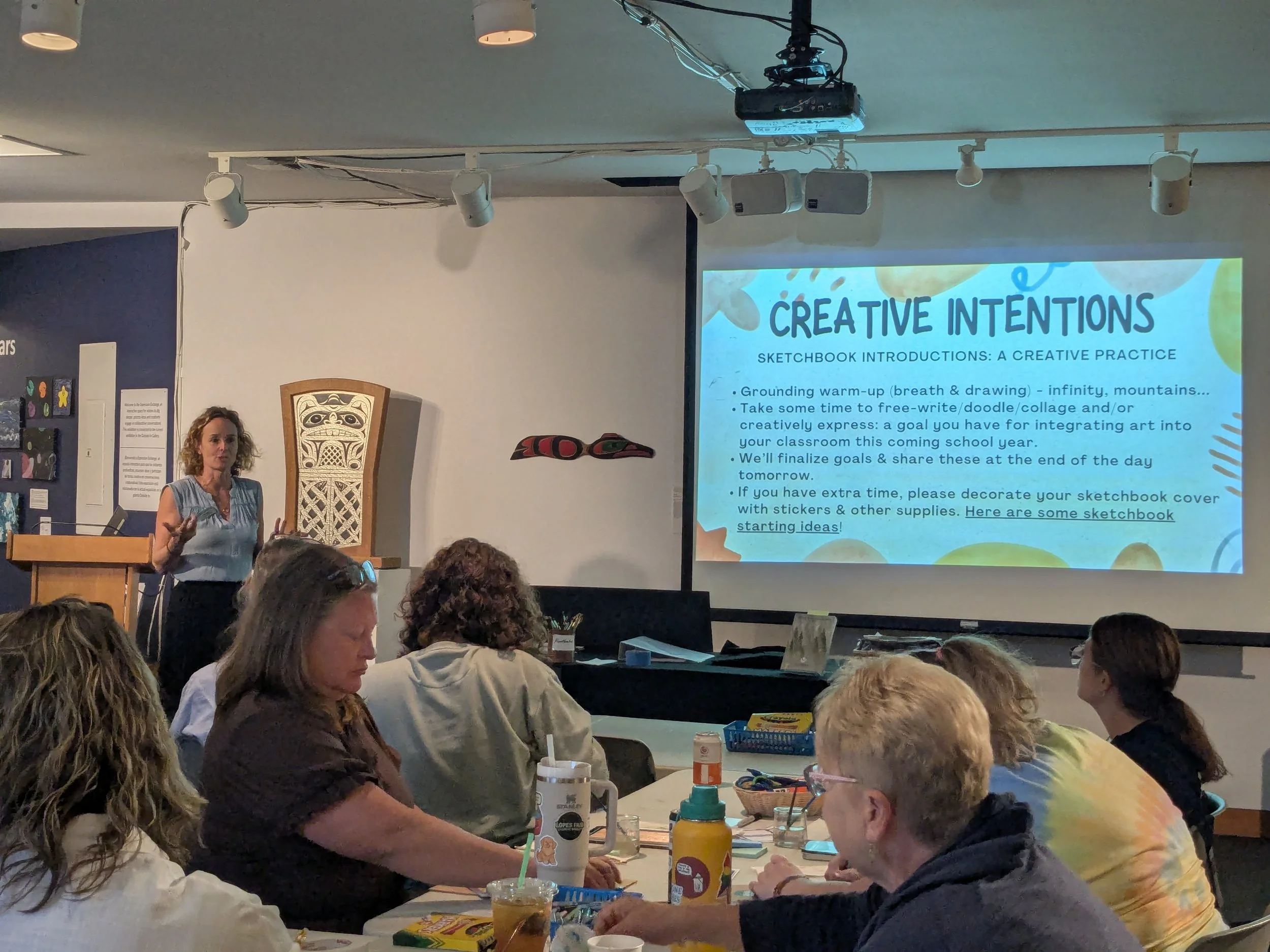
During the first MoNA Link professional development day, MoNA Education Staff set the tone of the program through a reading of Beautiful Oops by Barney Salzberg. Both the book and the reading stuck with many of the educators - helping to frame play, mistakes and failures as part of the learning process. They also said that this growth-mindset helps students learn and build perseverance when facing challenges.
“We started out the cohort with a book, Beautiful Oops. The takeaway is: let’s try something, you know, something like this, can turn into something else, and it can be very beautiful. And so, I think that, allowing for mistakes, it’s very normal, and everything we do, and that’s how we learn.”
FINDING #5
Building Capacity / Feeling Resourced: MoNA Link supports teachers in accessing arts resources.
In addition to systematic challenges, teachers also reported lacking access to art supplies for their classes. MoNA has several resources specifically designed for teachers, including the Art Box Lending Library and the Art Lesson Archives - which are purposefully incorporated into the MoNA Link program. Teachers reported using the Art Box Lending Library and how that supports them in getting supplies for their students. But barriers still exist - getting to MoNA to gain access to the library can be a challenge for busy schedules. Building capacity for teachers also includes learning about strategies to use in the classroom, like Visual Thinking Strategies - which is a foundational element of the professional development days.
“After seeing what was done through the MoNA Link program with students, what was taught to the teachers, and what was used with the students as we were visiting the museum, we use quality art materials. And so, we’re giving them higher quality materials with the higher expectation. I find it just supports the notion that they are going to produce something that’s high quality, like we are treating them with quality by giving them quality materials, and then they produce something that is quality and feel good about what they are doing with their art.”
FINDING #6
Modeling Confidence: MoNA Link builds confidence in participants’ identities as artists and art educators by making creative risk-taking feel achievable.
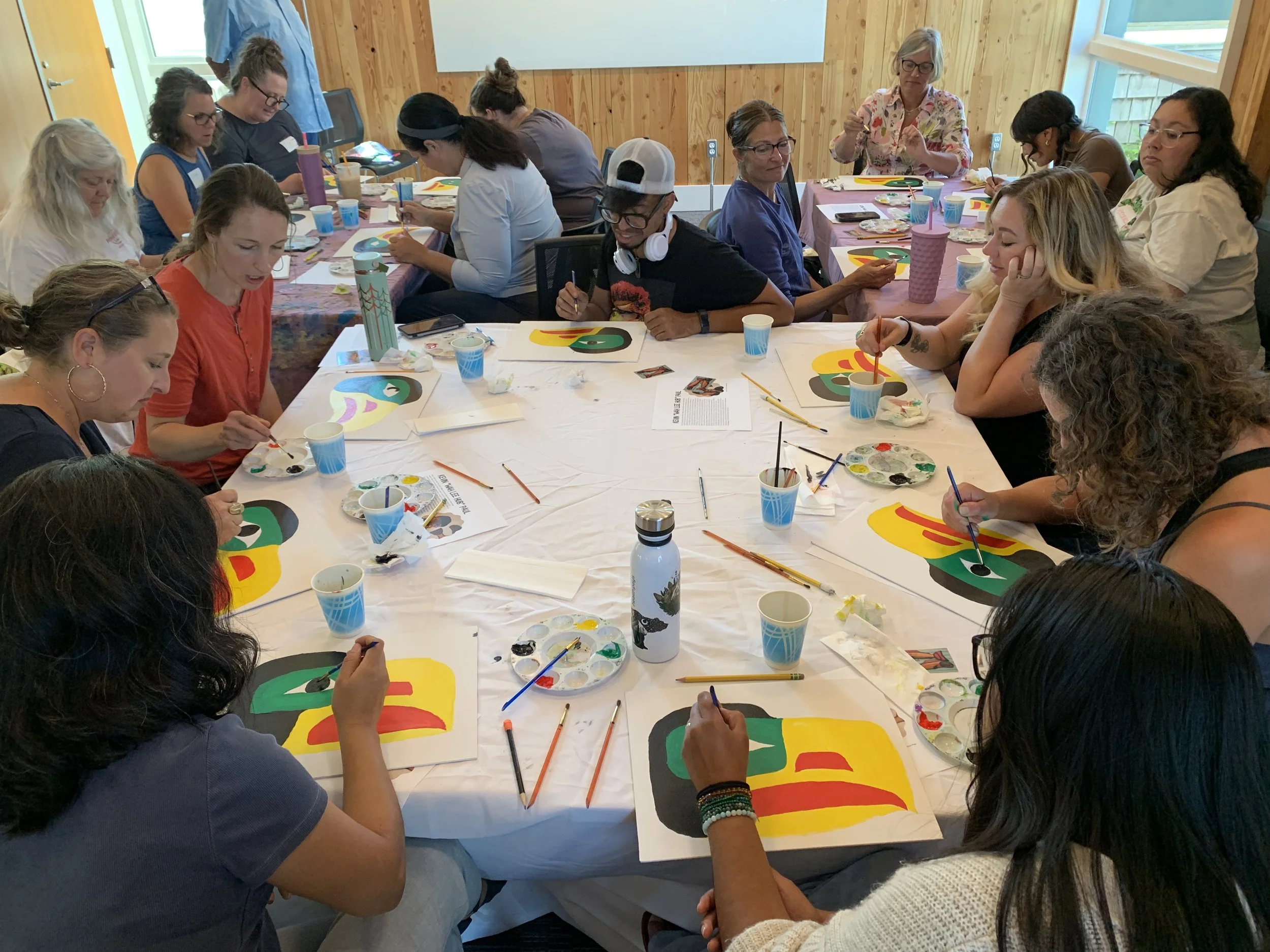
Throughout the MoNA Link Professional Development days, MoNA Educators and Teaching Artists model “being an artist” to participating teachers. This helps the school teachers feel more confident, and models the importance of taking creative risks and problem solving to their students. Direct access to artists helps to humanize the arts and provides a model for both teachers and students.
“People are very quick to tell you, “Oh, I’m not an artist”. Well, that’s not really the question, Are you an artist? The question is, are you interested? Are you willing? Are you a risk taker? Because that’s really what’s involved. And if you do, if you’re willing to do those things, if you’re willing to take some risk, and if you’re interested, then you may discover that maybe you are an artist.”
FINDING #7
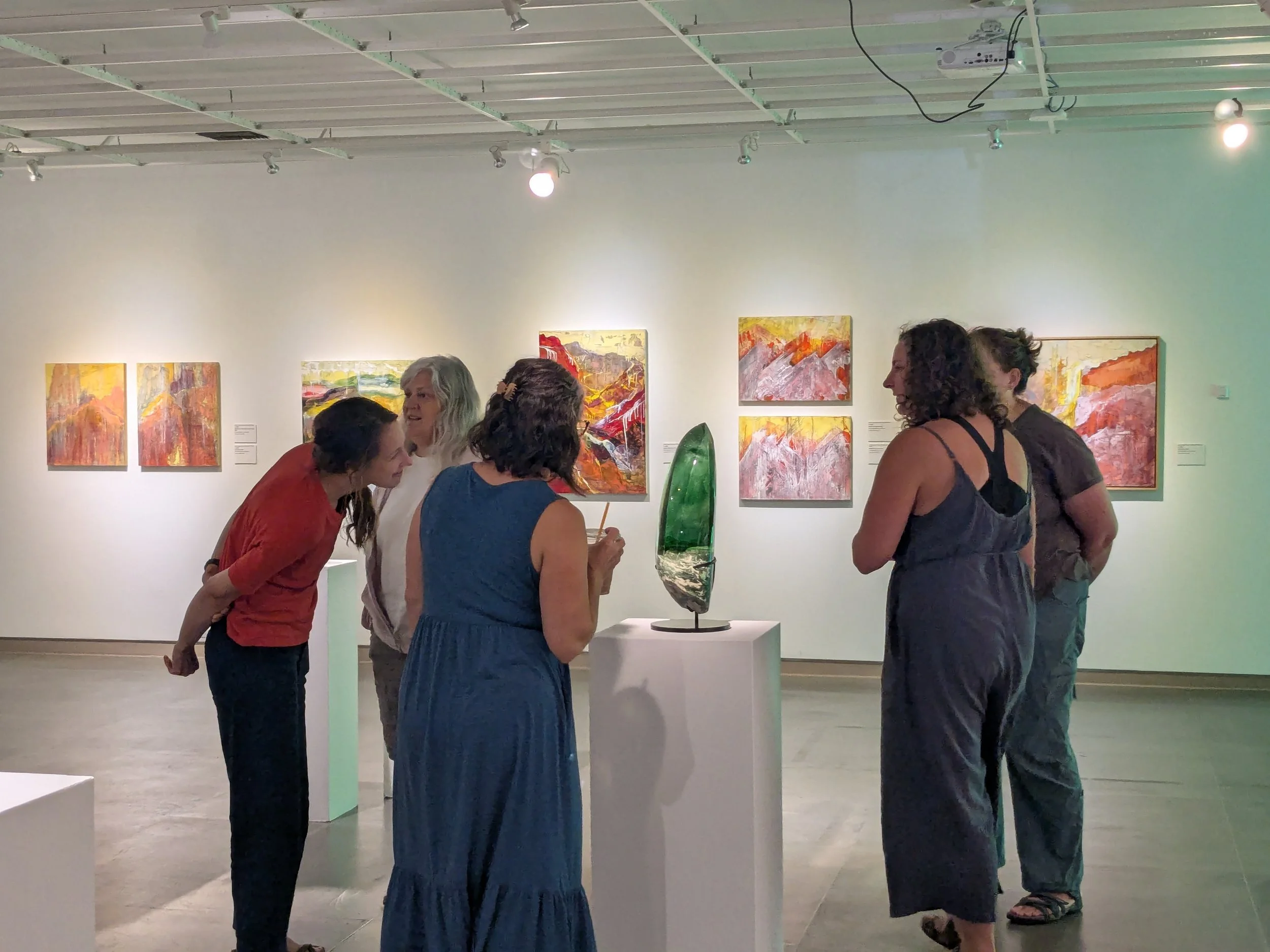
Proof is in the Pudding: When teachers see student engagement, expression, and growth firsthand, arts integration becomes easier to justify and sustain.
During MoNA Link (and beyond), teachers saw how including arts instruction helped their students become more engaged in school and in other subjects. This helped further support the case for including art in their classrooms.
“They come alive, and they’re so happy, and their creativity comes out in so many ways… I have a student who’s selective mute, and he just came alive with his art. He was so expressive with it, it was so neat. So, I just noticed that it just helps students who maybe aren’t engaged.”
FINDING #8
Making Ripples / Becoming Advocates for Art Education: The MoNA Link Program inspires teachers to take initiative in becoming advocates for arts education in their schools and communities.
While the MoNA Link program doesn’t explicitly support arts education advocacy, we found that some teachers were reporting that they were advocating for more art to district administrators because of the benefits they were seeing in their students.
“I’m noticing now: as a teacher, I’m almost like a political figure. I have to make connections and get into the community and build this kind of reputation for our program to really take our classrooms work out and let people see: This is what we’re doing. This is amazing. This is worth protecting. This is worth investing in. As a community, we should be proud of this, and we should never let this be in danger of being cut or removed, because: look how cool our kids are, and look how much pride they’re taking in this and how much they’re connecting to now the greater community, because you guys are investing in them and looking at their work and celebrating them.”
FINDING #9
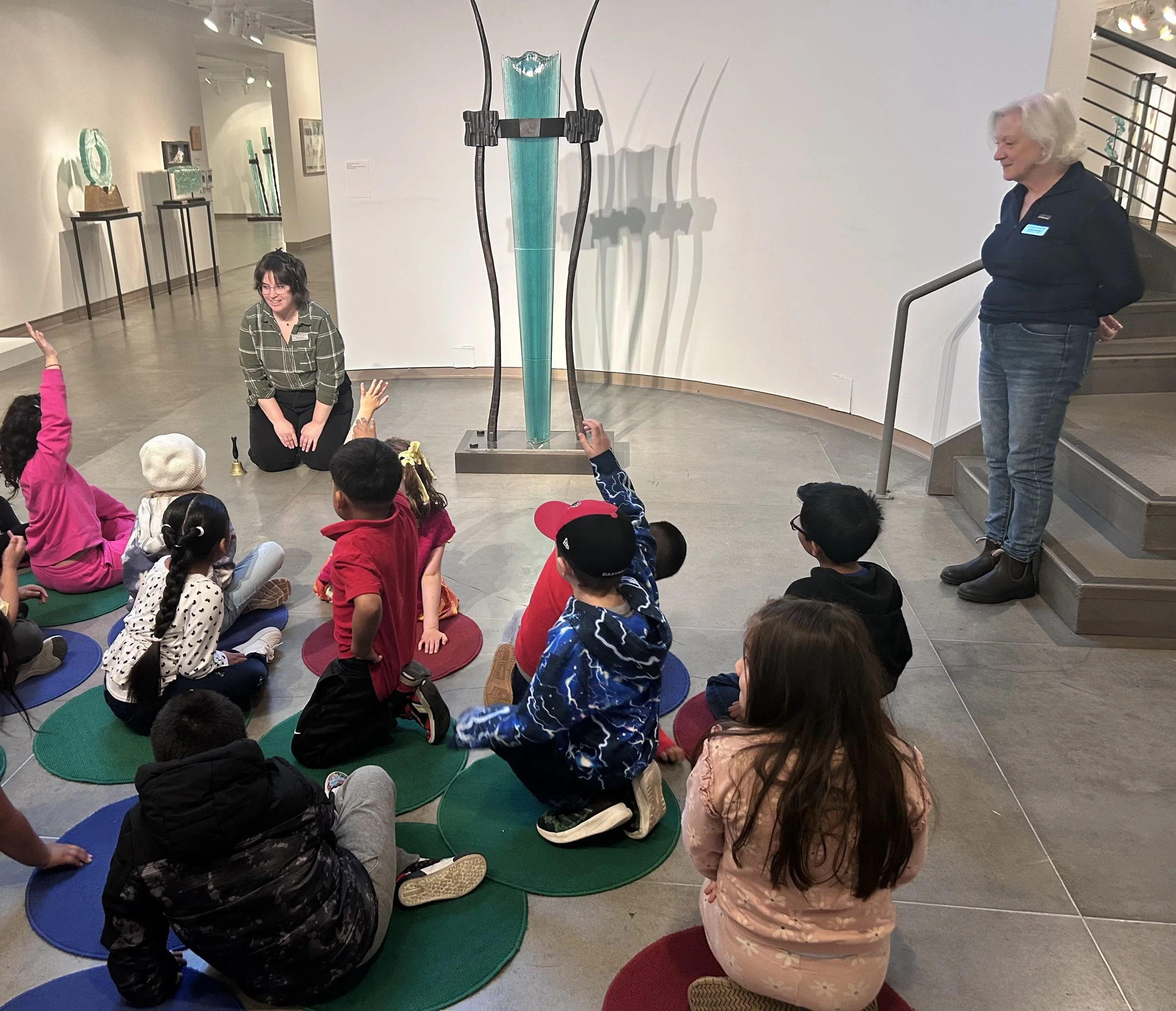
Bridging the Gap / Creating Access through Exposure: Through increased exposure, MoNA Link fosters and creates a culture of art appreciation for teachers and students, which leads to increased access to art and its benefits in our rural communities.
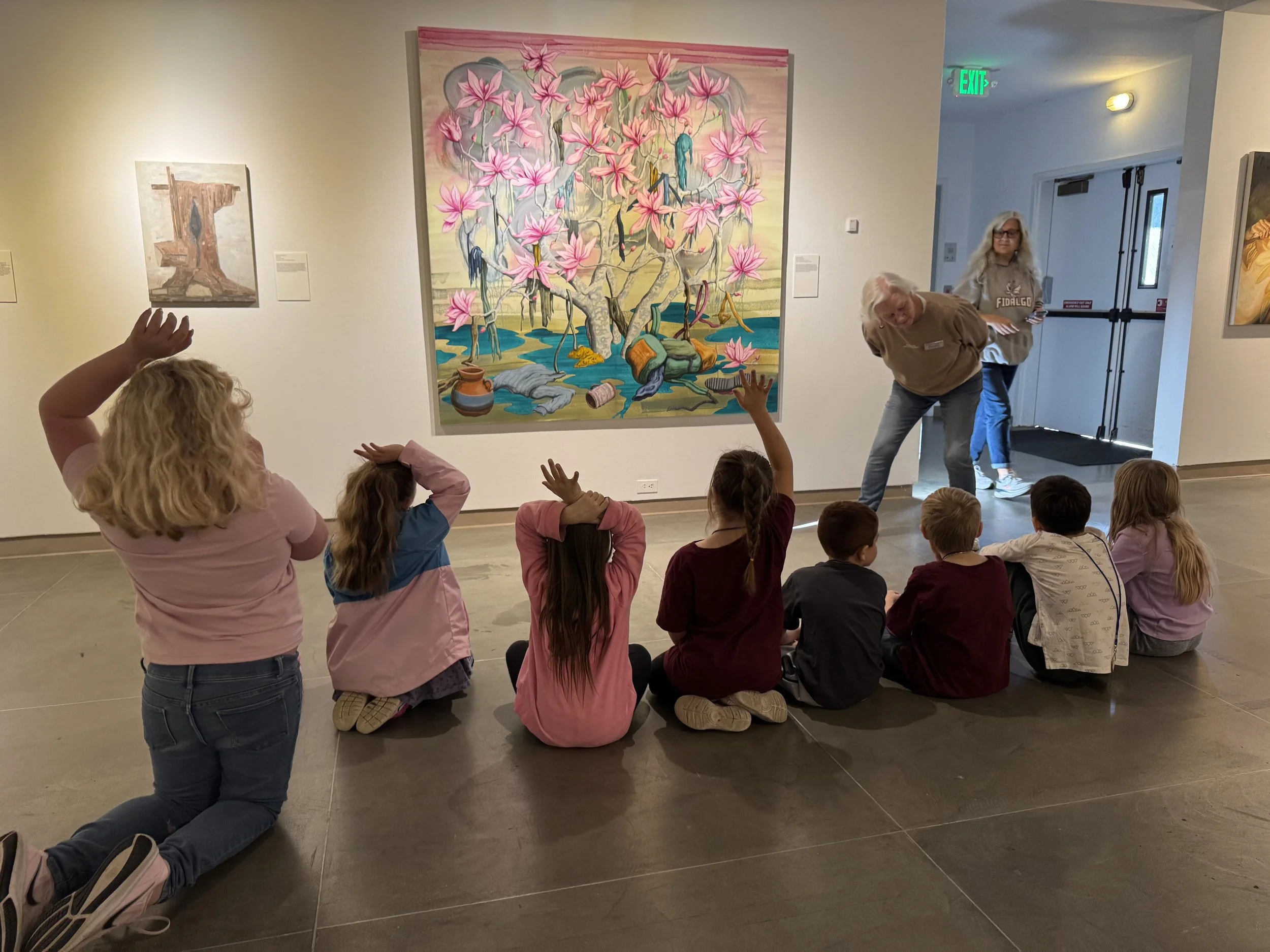
The interviews highlighted that fieldtrips to MoNA were a big incentive to teachers in applying to participate in MoNA Link. By bringing students into the museum, MoNA Link increases access to the arts by making the arts more tangible. Additionally, providing Spanish translations in the exhibition gallery text, informational wall signage, interpretive gallery guides, and across MoNA’s Educational resources, was named as both a positive development and a possible area of improvement.
“One of the other things that I noticed was after one of our classroom visits to the museum…during the visit, the students learned about the Dan Friday exhibit, and it had his signature on all his art pieces. And the students, after getting introduced to that for the rest of the school year, they would notice this symbol, even if it didn’t have anything to do with Dan Friday, and go, “Look Miss. It’s Dan Friday. It’s Dan Friday.” And so, they remembered, and kind of related that to that artist, and that was pretty cool to see. ”
FINDING #10
Feeling Welcome / The Art of Belonging:
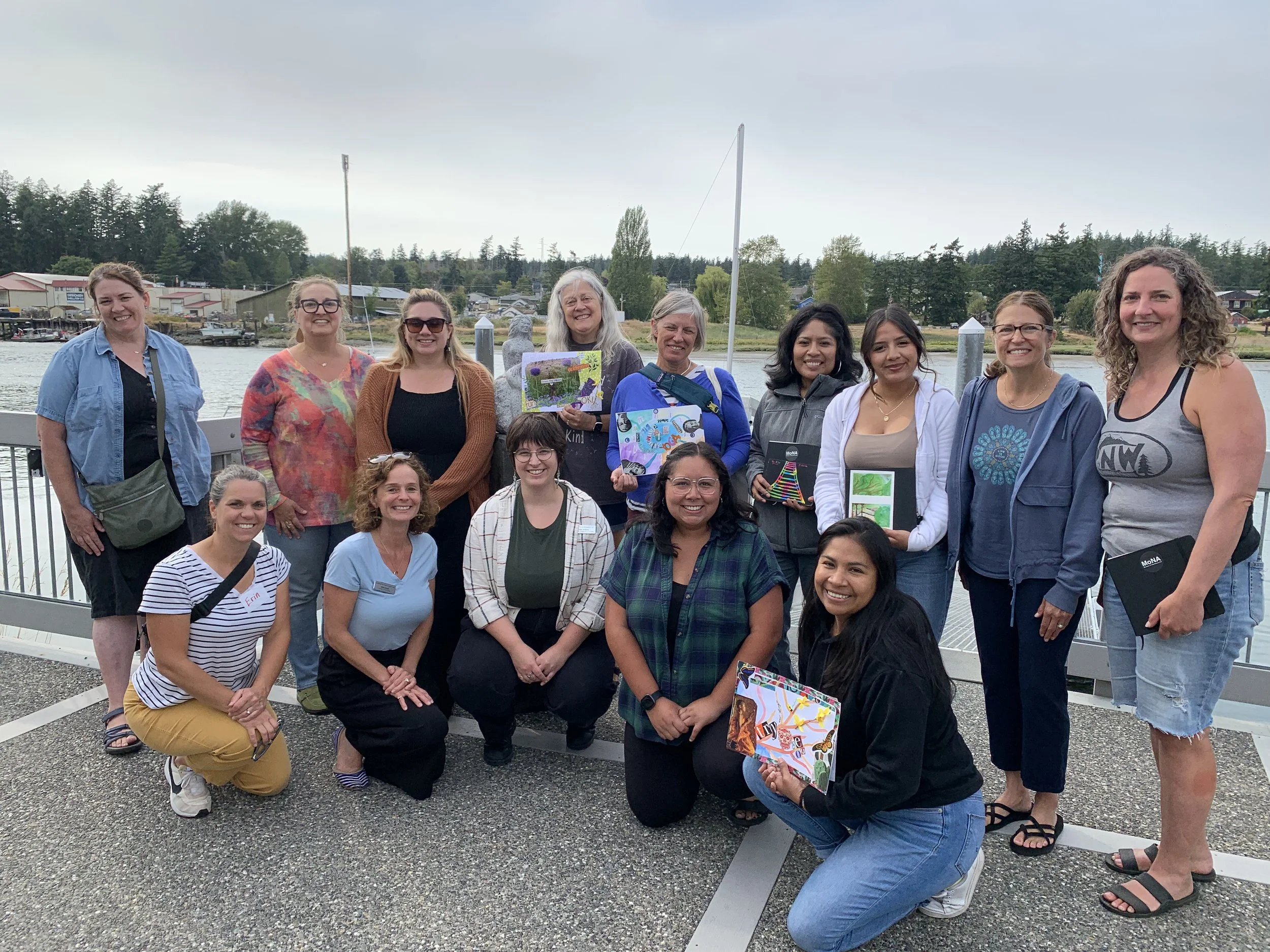
Art and art education has a powerful role in building communities where teachers and students can experience belonging.
When asked about issues of belonging, three themes emerged: 1) Intra-cohort belonging within the MoNA Link program, 2) Belonging within a broader arts community, and 3) Student belonging within their classroom communities and within the museum.
Intra-cohort belonging for Teachers within MoNA Link: Teachers reported that this was an important component to the program for them, but it was variable from teacher to teacher if they felt connected to their cohorts. This indicates that MoNA Link could provide more consistent networking, collaboration, and community building opportunities during the MoNA Link Training Days.
Belonging within a broader arts community: While this component was challenging to measure, teachers reported feeling more welcome at MoNA after participating in the program. Additionally, the survey showed that 76% of teachers had attended a MoNA program or exhibition outside of their participation in the MoNA Link program. Teachers also reported in the interviews that representation of artists with diverse identities was important to feeling included and welcome. Those teachers who had re-taken the MoNA Link program in recent years also mentioned how the new curriculum that included the John McCoy (lulilaš) Since Time Immemorial resources was important to experiencing belonging and “feeling seen” at MoNA. They mentioned that this was something that they were excited to share with their diverse student bodies - to help them feel welcome and seen as well.
Student belonging within their classroom communities and within the museum: Respondents discussed the concept of student belonging both within the classroom community and as part of a greater arts community. The data show that making art helps students connect both to themselves and each other - creating opportunities for students to share their work and reflect as a group. Some respondents noted that the museum could create more opportunities to foster belonging at MoNA for students by displaying or exhibiting student artwork more frequently during the school year while they are visiting on field trips.
“There was a point where you had Alfredo Arreguín come and do an art show there, and for the first time, well, not for the first time, I think that there’s, we also had Native American artists this year [and] that was very powerful, very strong. But I think for me, being Latina, seeing that, seeing that in the community, and maybe it’s because I just don’t see a lot of that, I was very excited about Alfredo Arreguín. I was very excited about the Native American artists.”
What does this mean?
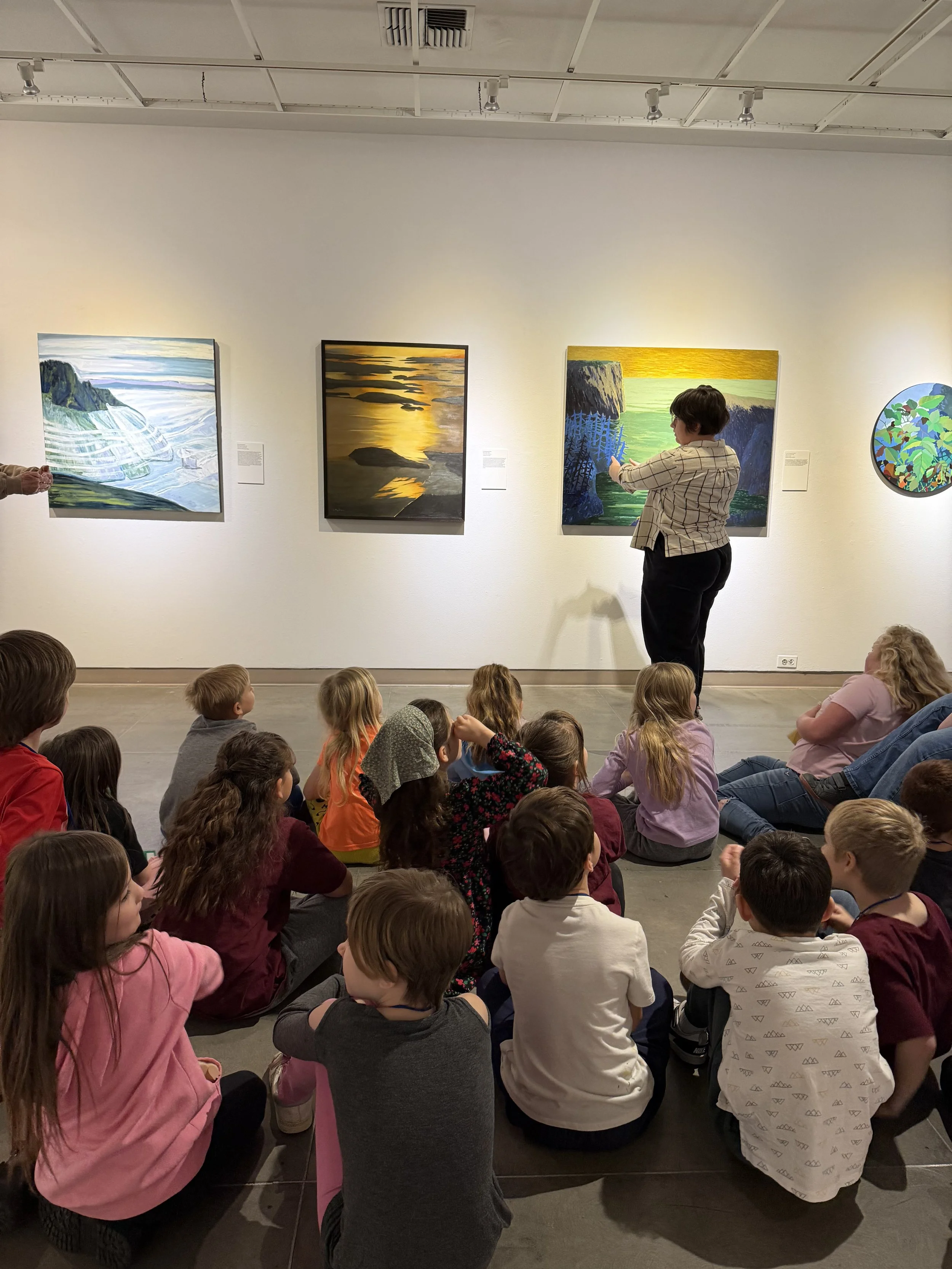
The MoNA Link program is successful at supporting teachers in gaining strategies and resources for arts education. By using arts integration, offering training in Visual Thinking strategies, exposing teachers to artists, new media and hands-on learning, and modeling artistic risk-taking, the MoNA Link program helps teachers by building their confidence and capacity to include art in their classrooms. When teachers use these strategies, they see how access to the arts is beneficial to their students.
Additionally, these findings help the MoNA Education team identify places to improve the MoNA Link program to better serve teachers.
These improvements include the following:
Strengthen relationships with local school districts.
Prioritize hands on and collaborative learning opportunities for teachers in the MoNA Link program.
Evaluate how the MoNA team can better support teachers in their arts education advocacy.
Through further evaluation, determine how to create beneficial opportunities for both MoNA Link cohort members and alums to sustain connection with each other.
Display student artwork more frequently at MoNA to help create a culture of belonging to the museum for students.
Increase access by providing more Spanish translations of resources from the MoNA Link curriculum.
Explore how to sustain access to MoNA for MoNA Link alums, in order to create long-term change.
Thank you for reading!
Click here to read the full report or listen to the podcast episode.
Click here to learn more about the MoNA Link program.
Thank you to the M.J. Murdock Charitable Trust for providing this capacity-building opportunity.
The M.J. Murdock Charitable Trust’s mission is to enrich the quality of life in the Pacific Northwest by providing grants to organizations that seek to strengthen the region’s educational, social, cultural, and spiritual base in creative and sustainable ways.