
Director’s Notes: Chance, Encounters
At the end of 2025, MoNA was gifted two glass artworks made by Japanese artists Kazuo Kadonaga and Etsuko Ichikawa. Kadonaga’s Glass no.6, 2010-2012 (fig. 1) and Ichikawa’s Trace, 2014 (fig. 2) are displayed side by side in At the Seam: The Museum of Northwest Art’s Permanent Collection in the upstairs galleries. Kadonaga resides and works in Japan, however he has made work in the Pacific Northwest while teaching at Pilchuck Glass School as a visiting artist. On the other hand, Ichikawa has been a long-term resident of Seattle having moved to the Pacific Northwest more than 30 years ago to study at Pilchuck. It is not by chance that the two works are displayed side by side, though, as we will see, chance played a role in how each of the two works came to be.
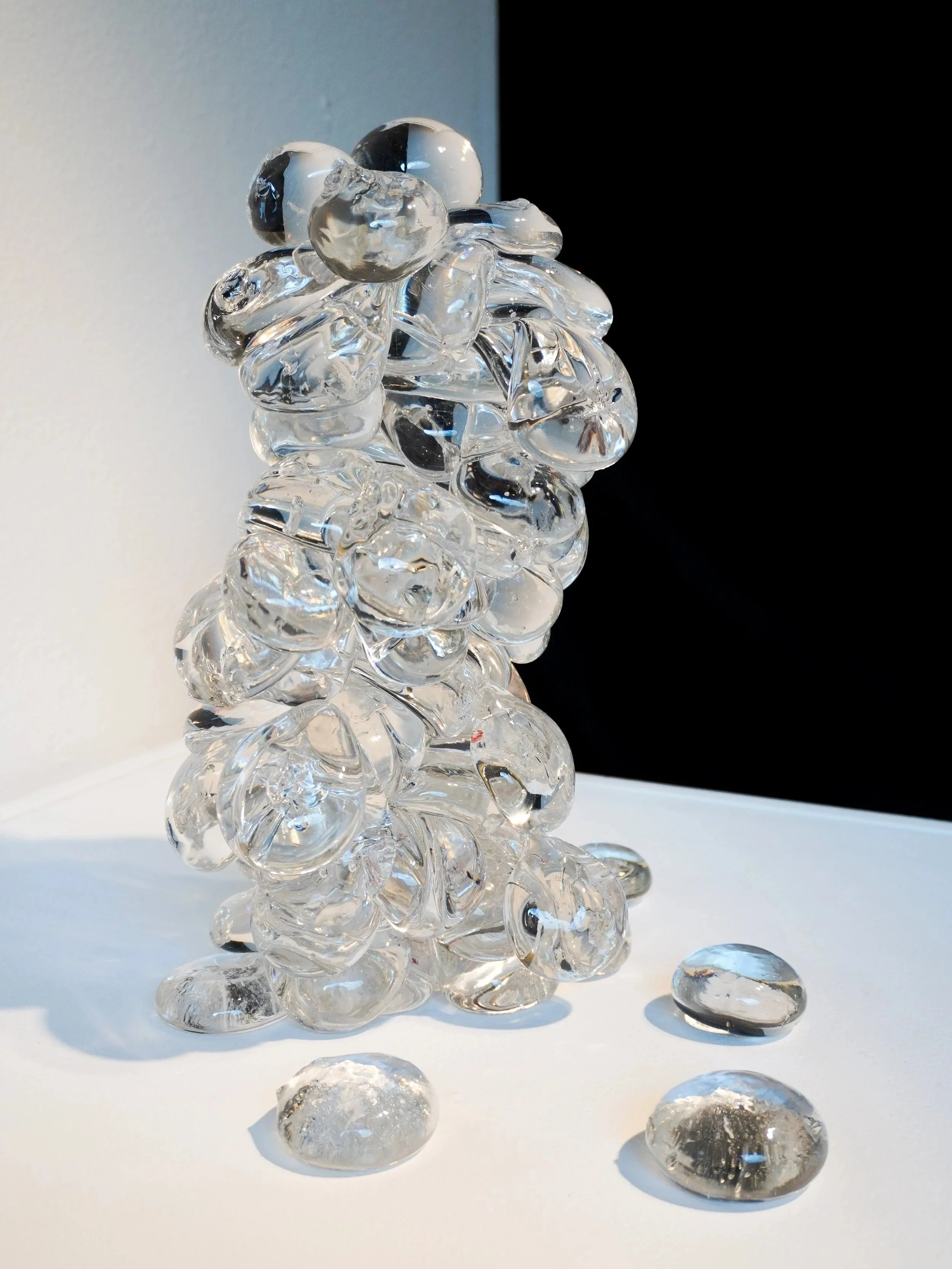
Fig. 1) Kazuo Kadonaga, Glass no.6, 2010-2012
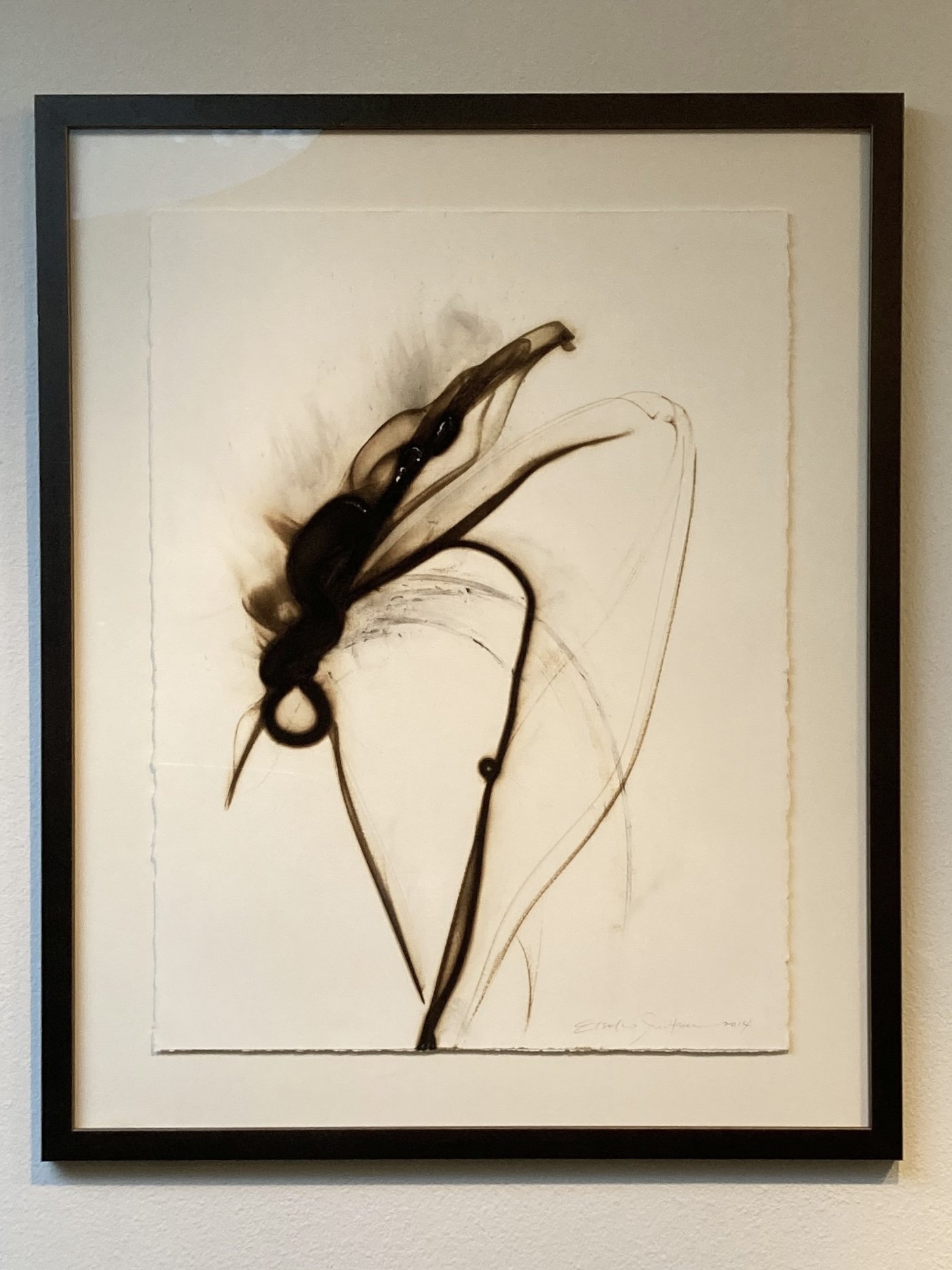
Fig. 2) Etsuko Ichikawa, Trace, 2014
In 2004, Kazuo Kadonaga was invited as a visiting artist at Pilchuck Glass School. Etsuko Ichikawa was selected by the school to be his assistant. This was not by chance: being both Japanese artists, Ichikawa was a natural choice to assist and facilitate Kadonaga’s teaching and demonstrations on campus. Consistent with his artistic practice which focuses on process and chance, Kadonaga was experimenting with a process that required small blobs of clear molten glass to drop one on top of the other to compose a single sculpture. Chance dictated the results of the accretion process and the formal qualities of the sculpture — whether a blob would nest among the others thus building up the height of the heap, or slide off to the side ever so slowly to solidify in the act — thus creating the effect of a gelatinous, slumpy and crystallized mass. However, the artist remained in charge of setting the process in motion while negotiating his authorship with chance. The results of this accretion process can be seen in Kadonaga’s Glass no.6, in which round, clear silicon-looking blobs seem to defy both order and gravity. In building the stack, chance played a role through the pull of gravity together with the temperature of each blob as well as the cooling that occurred immediately as each blob met the pile below. In short, chance was the “hand” that shaped Glass no.6.
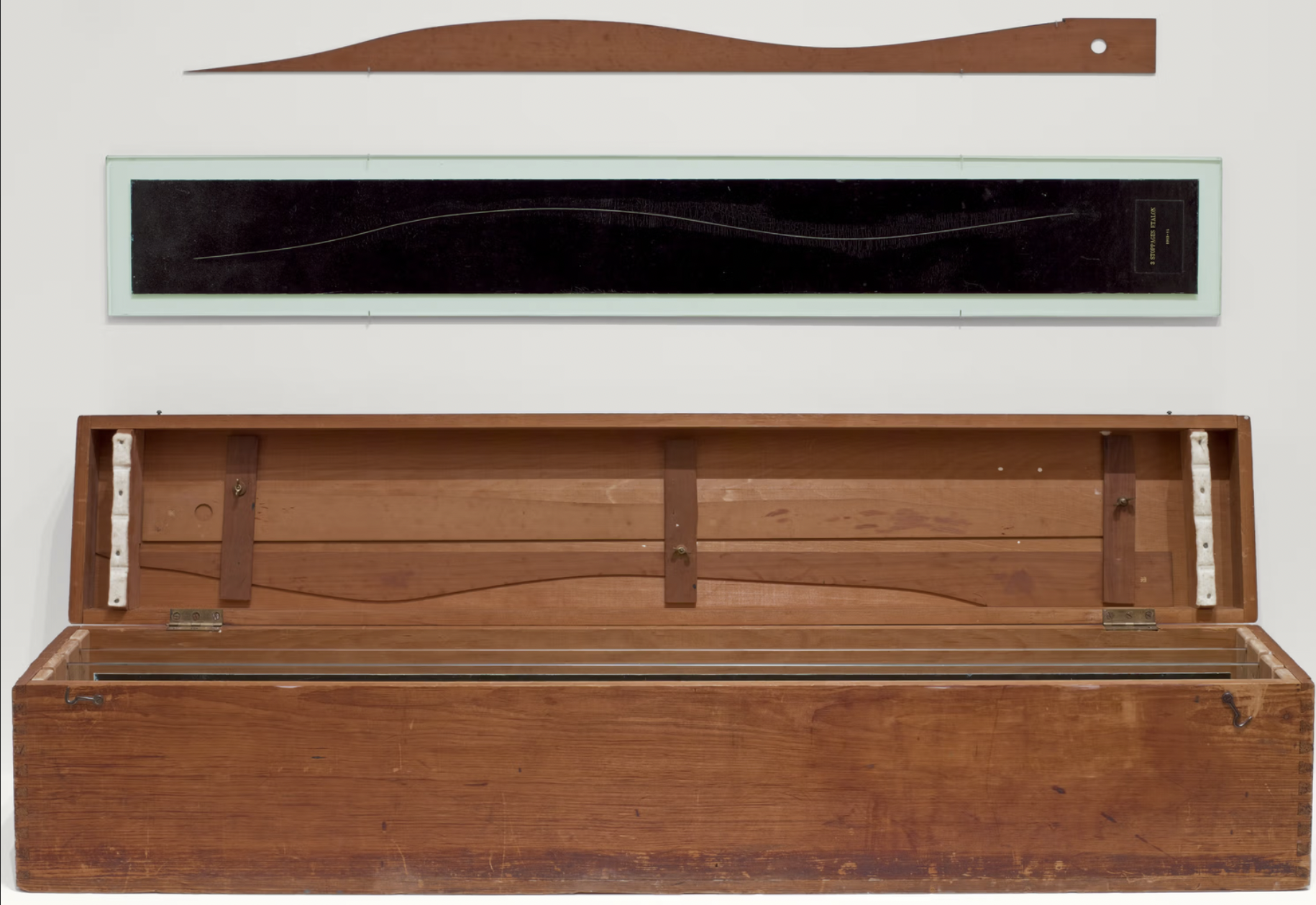
Fig. 3) Marcel Duchamp, Three Standard Stoppages, 1913-14
Chance as author or co-author is not a novel approach in art. In 1913-1914, Marcel Duchamp’s Three Standard Stoppages (fig. 3) was created by dropping three 1-meter threads from a height of 1 meter onto prepared canvases. The resulting curved shapes were fixed to the canvases and used to create customized wooden rulers, creating a new "unit of length" based on chance, rather than the accepted scientific standard. Similarly, Jean Arp, another central figure in the Dada movement, created collages by dropping torn paper shapes onto a surface and allowing them to fall where they may, embracing what Arp described as "laws of chance."
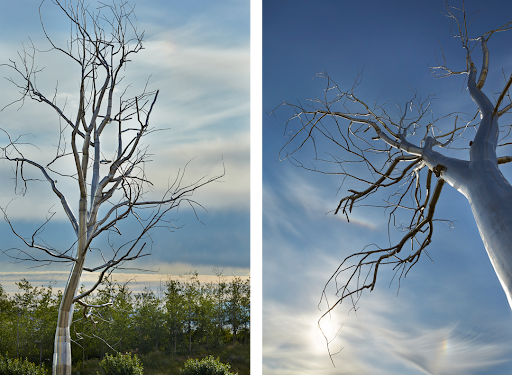
Fig. 4) Roxy Paine, Split, 2003, polished stainless steel, Seattle Art Museum, © Roxy Paine, Photos: Benjamin Benschneider.
In recent years, artist Roxy Paine—whose sculpture Split, 2003 (fig. 4), is permanently installed at SAM’s Olympic Sculpture Park in Seattle—has embraced chance by engineering and coding art-making, fully-automated machines to produce unique works of art created by random effects caused by factors such as gravity and drying time (fig. 5). Like Paine, Kadonaga’s chance-based practice relies on technology to create the conditions for “chance” to produce the artwork. One thing is sure: in these artists’ practice, the concepts of uniqueness, aesthetic and formal values—think of composition for example—are divorced from the human hand and eye, and therefore, from the assumption that these works reflect their interiority. By relinquishing control during the act of creating, these artists successfully separate the work of art from their own self, their interiority, taking away from us the possibility to have a glimpse into their inner world for us to see and resonate with. All they leave us with is an object of beauty that asks to be apprehended for what it is, no strings attached to anybody’s “soul.”
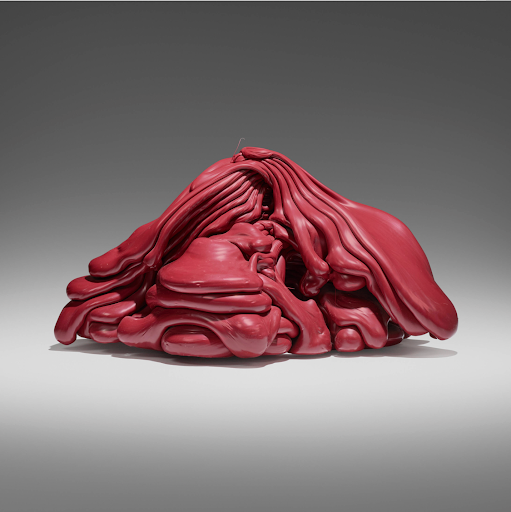
Fig. 5) Roxy Paine, S2-P2-MAR44 from Scumak (Auto Sculpture Maker), 2000; low density polyethylene
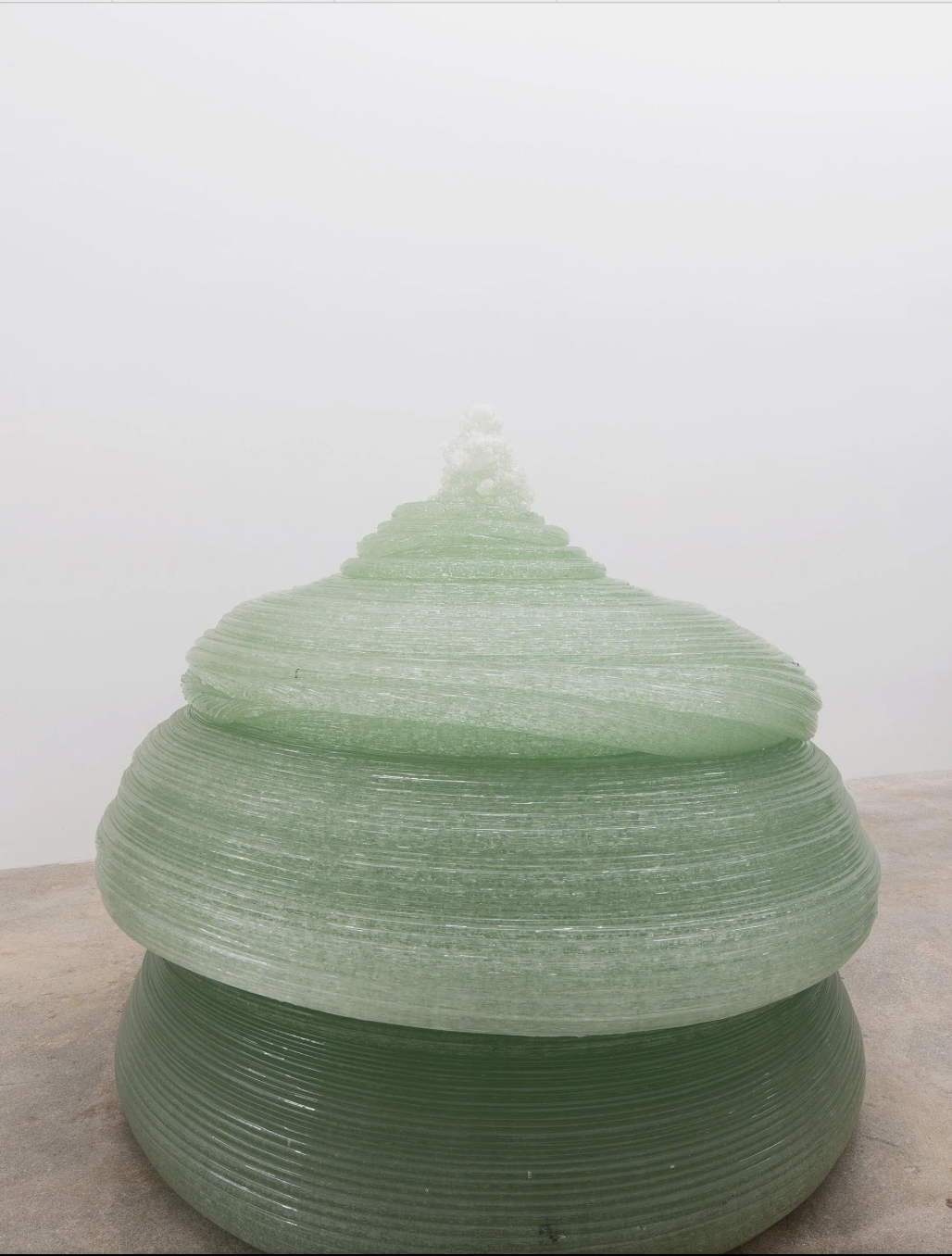
Fig. 6) Kazuo Kadonaga, Glass No. 41, 1999, Glass, (1900 lbs), 33.5 x 38 x 39 inches
In the case of Kadonaga, the artist’s embrace of chance engenders the profound appreciation, rooted in Zen Buddhism, for the unexpected. The Japanese concept of wabi-sabi, for example, invites one to find and appreciate beauty in the imperfections caused by time and chance, while the concept of ichi-go ichi-e (one time, one meeting) teaches one to treasure unique, unrepeatable moments, like in a tea ceremony. Each time I look at Glass no. 6, my eyes follow the creases where the pillowy blobs meet and rest on top of each other—each chance encounter between blobs so similar to the previous and to the next one, and yet each time with different results. In their continuous iteration of chance, each of Kadonaga’s glass sculptures are the crystallized sequence of unique, unrepeatable moments in time (fig. 6).
At Pilchuck, in 2004, Kadonaga was relying on Etsuko Ichikawa for assistance in creating his sculptures. And chance had plans in store for Ichikawa. In an interview with the author, the artist recalls how she “spent hours gathering glass in the hot shop, moving quickly back and forth” to assist Kadonaga. It was during one of the sessions, that “at one point a gather [of glass] slipped off the pipe as I was running to bring it to Kazuo’s station. The molten glass fell to the concrete floor, leaving behind a burned imprint. It was a happy accident—and that was the moment when my Glass Pyrograph was born.” It is telling that Etsuko Ichikawa titled her series of glass pyrographs Deai (pronounced day-ah-ee), meaning “encounter” in Japanese. A quick search on the Merriam-Webster dictionary offers a clarifying definition: pyrography—from pur (fire) and graphos (writing)—is “the art or process of producing designs or pictures (as on wood or leather) by burning or scorching with hot instruments.” Ichikawa’s glass pyrography is quintessentially the art of drawing with molten glass on heavy paper (fig. 7). In this process, the artist dips the punty—the gaffer’s blowpipe—in molten glass and proceeds to move quickly over the paper, dripping, stretching and stringing the molten glass which stiffens and becomes brittle as it cools in real time. When the hot viscous liquid encounters the paper’s surface, the intense heat scorches it, leaving a charred trace that records the immediacy of movement (fig. 8), what Ichikawa describes as “an ephemeral gesture made permanent.”
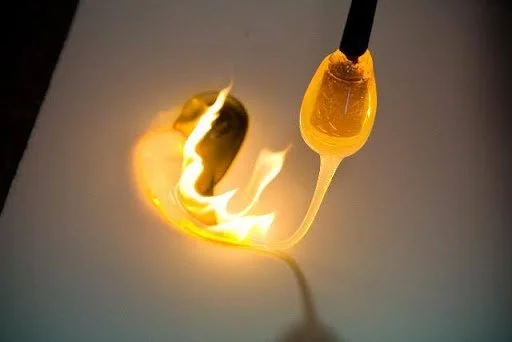
Fig. 7) Etsuko Ichikawa, Deai, glass pyrography.
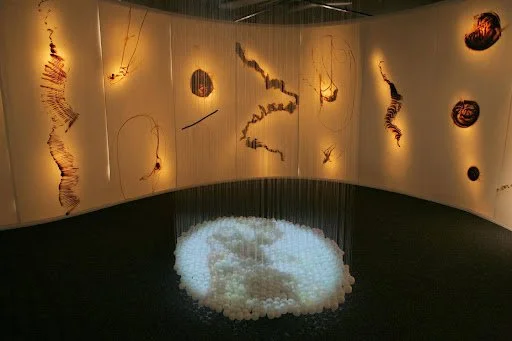
Fig. 8) Etsuko Ichikawa, Traces of the Molten State, 2008, installation view; glass pyrography, glass, video projection.
That chance encounter between molten glass and concrete floor forever changed Ichikawa’s artistic trajectory. She began using molten glass as brush and flame as ink. Standing before Ichikawa’s Trace, one cannot escape noticing the elegant fluidity and tendril-like forms of the marks. A few circles in the mid-section of the work reveal the coiling of the glass string as it touched the paper. In the upper section, kelp-like ribbons offer a see-through effect, as if we were underwater looking up and against a bright source of light at this gently-swaying form of marine life. Through the layering of brown tones and lines, Trace achieves an effect of uncanny depth. Taking our time to follow the lines reveals a richness of burnt tones ranging from charred black to light sienna. Amazingly, some of the lighter traces do not record the physical contact of the glass with the paper. Rather they are heat marks created by the hot glass simply coming too close (without touching) to the paper on the floor. These marks —which sometimes exceed the boundaries of the paper—record the movement of Etsuko’s body as she engages in drawing, or rather writing, with fire. Undeniably, Ichikawa’s pyrographies reveal an affinity with calligraphy—a disciplined and meditative art form requiring intense concentration to master hand-eye coordination and trained motor skills (fig. 9).
Over the past 20 years, Ichikawa—through trial and error—has trained her arms and body to control the punty’s speed across the paper as well as her downstrokes and upstrokes in molten glass to achieve results that are as mesmerizing as they are unique. Watching her engage with pyrography demonstrates how her artistic practice demands a calm, mindful state, whose cultivation is deeply rooted in her Japanese heritage. For Ichikawa, “this process is a metaphor for life itself—an accumulation of encounters and impressions. A chance encounter, a fleeting event, a passage of music: each is transient, yet some leave timeless marks that continue to resonate and take on lives of their own.”
Displayed side by side in At the Seam: The Museum of Northwest Art’s Permanent Collection, Kadonaga’s and Etsuko’s works—so different in medium and appearance—reveal the inconspicuous and yet transformative connection made possible by the chance encounter between a blob of glass and a concrete floor.
—Stefano Catalani, MoNA Executive Director